Colorado Guitar Tech • Lutherie & Repair Knowledge Base
Welcome to our technical library. Explore 22 comprehensive, practical articles covering precision guitar setups, Colorado dry-climate maintenance, fret dressing, custom electronics, and structural acoustic lutherie.
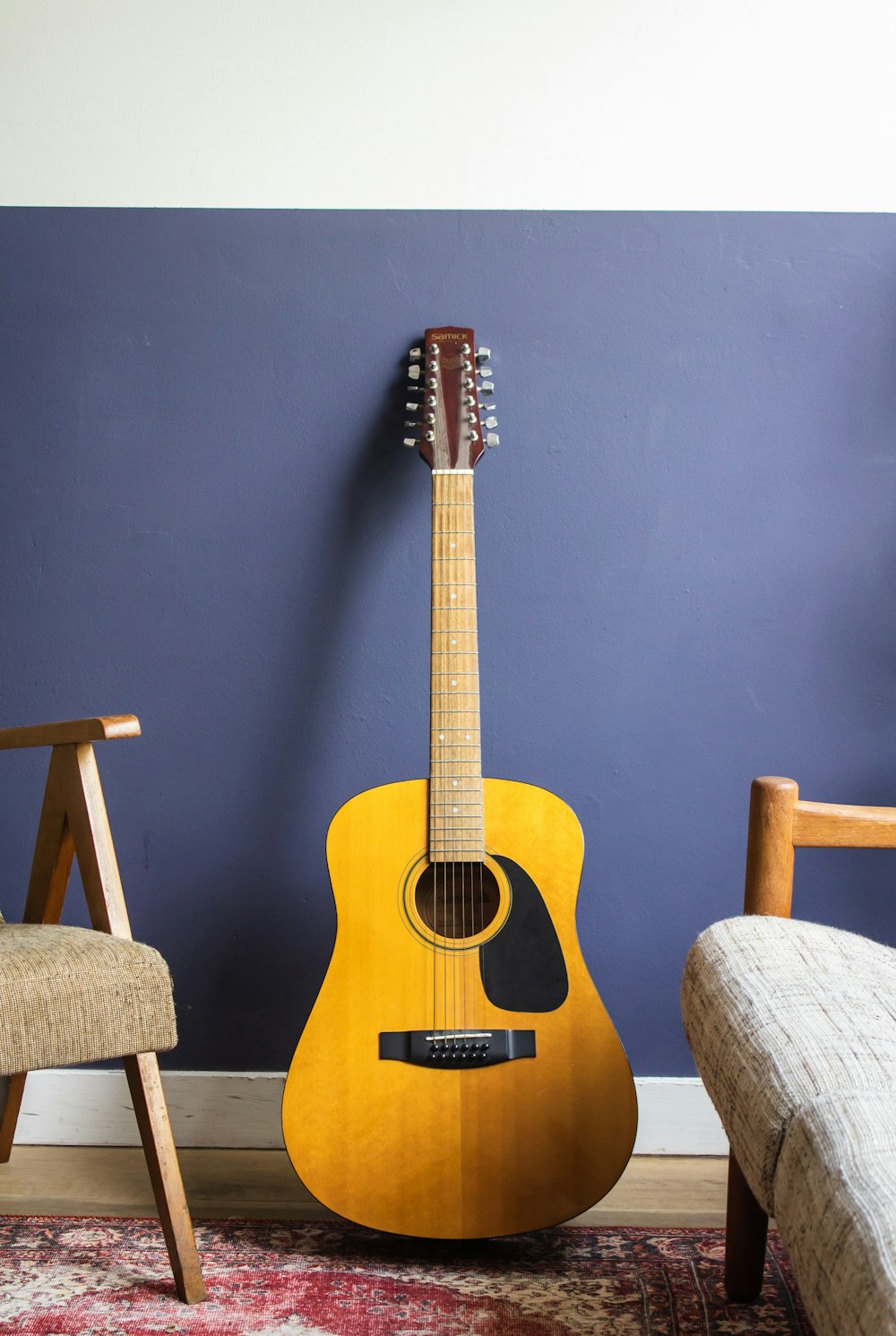
Surviving Colorado's Dry Climate: Humidification Guide for Acoustic and Electric Guitars
At 6,000+ feet in Colorado, winter humidity regularly drops below 15%. Learn how to protect your guitars from sunken soundboards, razor-sharp fret sprout, and catastrophic top cracks.

The Ultimate 12-Step Guitar Setup Checklist: Why Every 64th of an Inch Matters
A master luthier walkthrough of the entire 12-point guitar setup process: truss rod relief, nut slot filing, bridge radius matching, strobe intonation, and pickup height balancing.
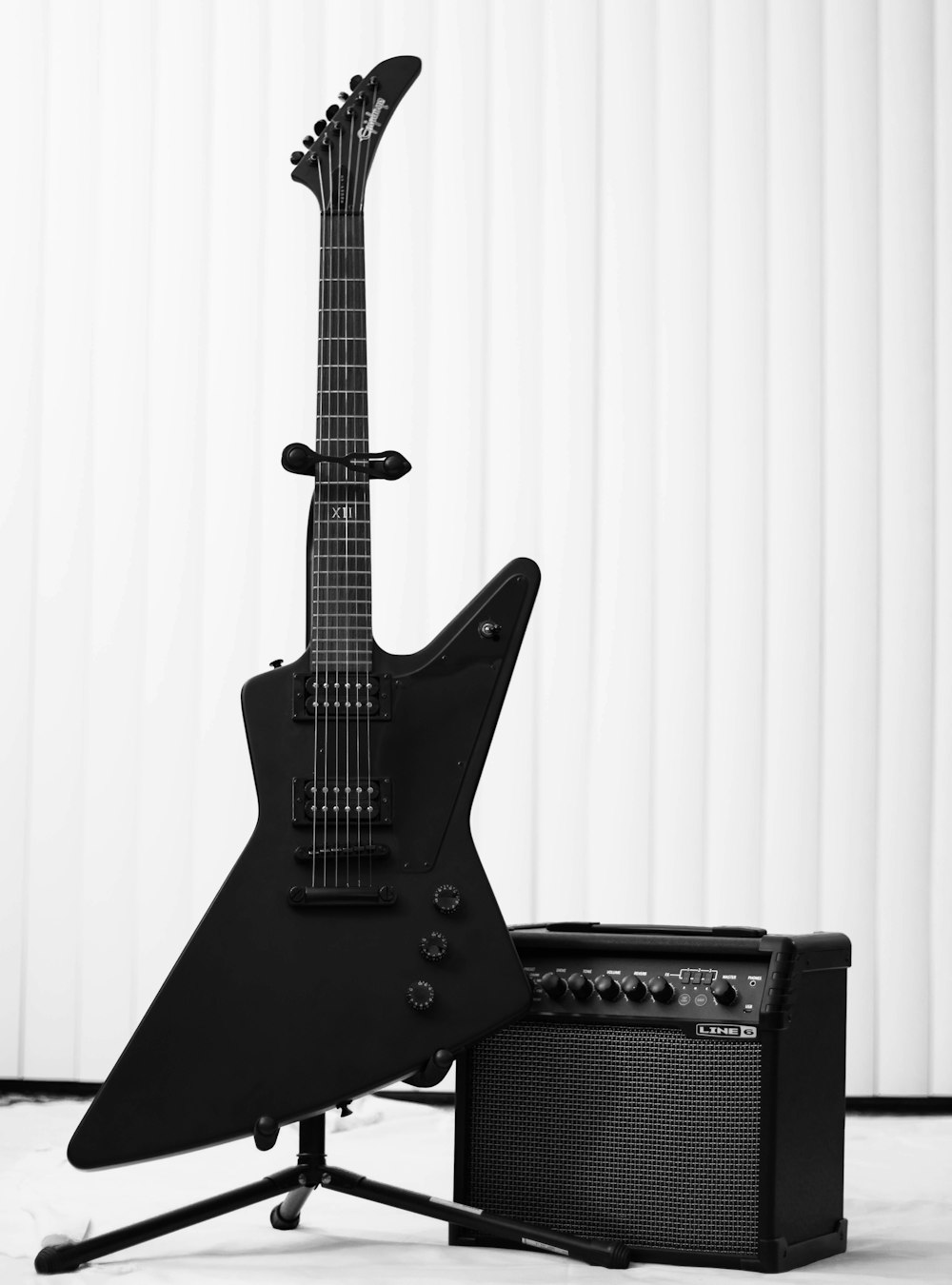
Fret Sprout Demystified: Causes, Prevention, and Professional Dressing
Why sharp fret ends protrude in winter, how dry wood contracts around metal tangs, and the professional technique for filing, beveling, and micro-mesh polishing fret ends.

Bone vs. TUSQ vs. Brass vs. Plastic: The Definitive Guitar Nut Material Guide
An objective comparison of unbleached cattle bone, Graph Tech TUSQ, brass, Corian, and cheap plastic nuts. How material density affects open string harmonics, tuning stability, and sustain.

Demystifying the Truss Rod: Neck Relief, Bow, and Safe Quarter-Turn Adjustments
Stop fearing the truss rod. Understand single-action vs dual-action mechanisms, how to measure relief at the 7th fret, and why you should never force a tight adjustment nut.

Low Action Without Fret Buzz: Dialing In Electric Guitar String Height
The secret to buzz-free low action isn't dropping the bridge down; it is balancing neck relief, nut slot depth, and fret levelness against your picking dynamics.

Acoustic Guitar Bridge Lift: Warning Signs, Inspection, and Reglue Process
What causes an acoustic bridge to lift from the soundboard spruce, how to test with a slip of paper, and the delicate lutherie process of clean removal and reglue with internal cauls.

Silencing Single-Coil Hum: Copper Cavity Shielding and Star Grounding
Eliminate 60-cycle electromagnetic interference and RF buzz. How to line pickup and control cavities with heavy copper foil and wire a star ground without creating ground loops.
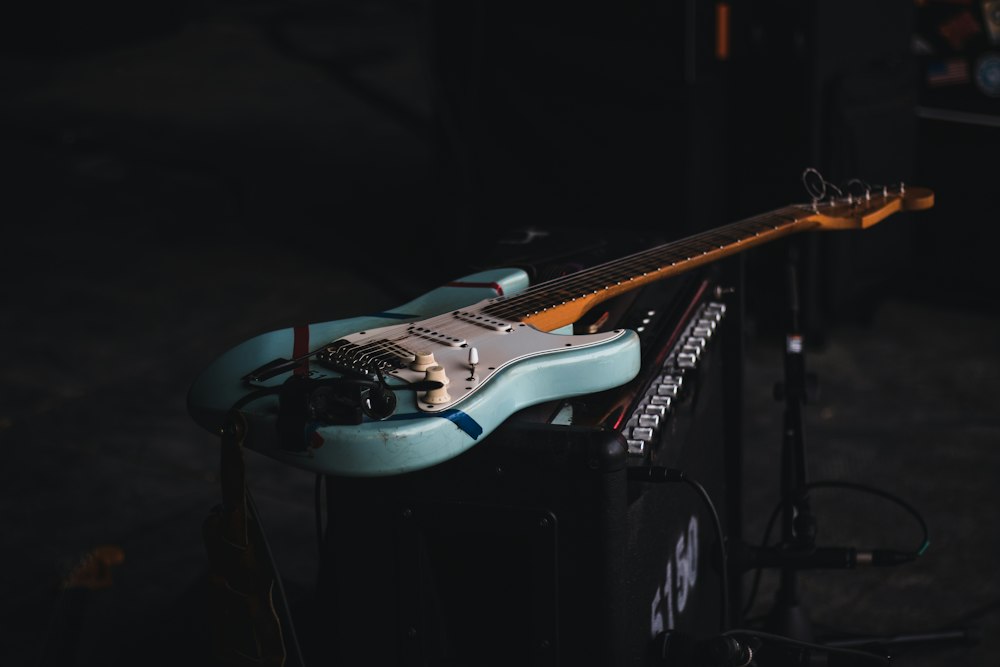
The Hidden Tone Secret: How Pickup Height Transforms Your Sound
Discover why setting pickups too close creates 'Stratitis' ghost notes and kills sustain, while setting them too low sounds thin and lifeless. Optimum height specs for Alnico and Ceramic.
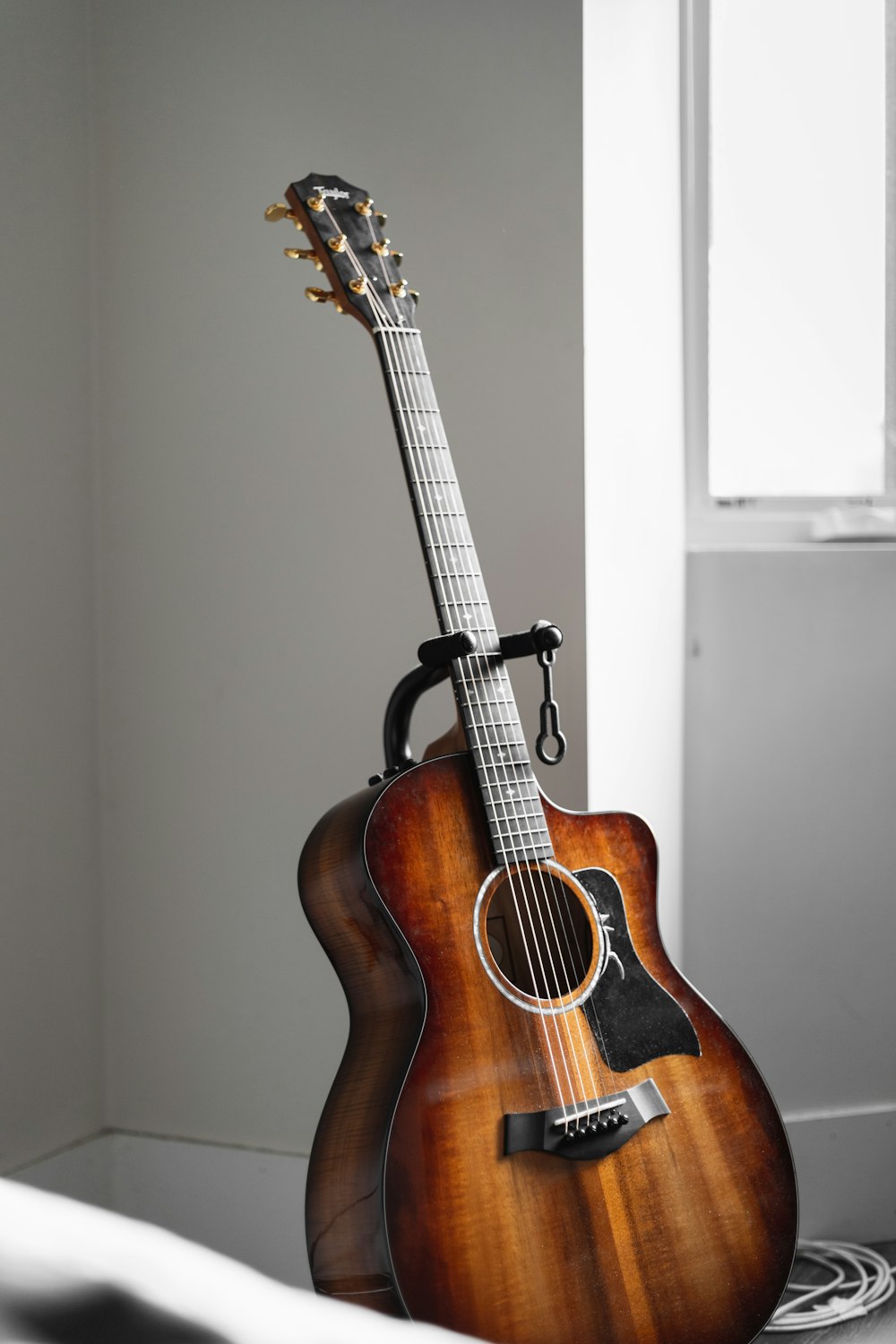
Inside a Professional Fret Level, Crown, and Polish: Restoring Peak Playability
A deep dive into fret dressing: using notched straightedges to flatten the neck, aluminum leveling beams, diamond crowning files, and micro-mesh polishing up to 8000 grit.

Mastering Guitar Intonation: Why Your Chords Sound Out of Tune Past the 7th Fret
Why open chords sound in tune while barre chords on higher frets sound sour. How string stretch affects pitch, saddle compensation travel, and strobe tuner calibration.

Taming the Floyd Rose: Floating Tremolo Setup, Balancing, and Knife Edges
Demystify double-locking tremolo systems. Learn how spring claw tension balances against string pull, knife-edge wear inspection, locking nut shimming, and changing string gauges.
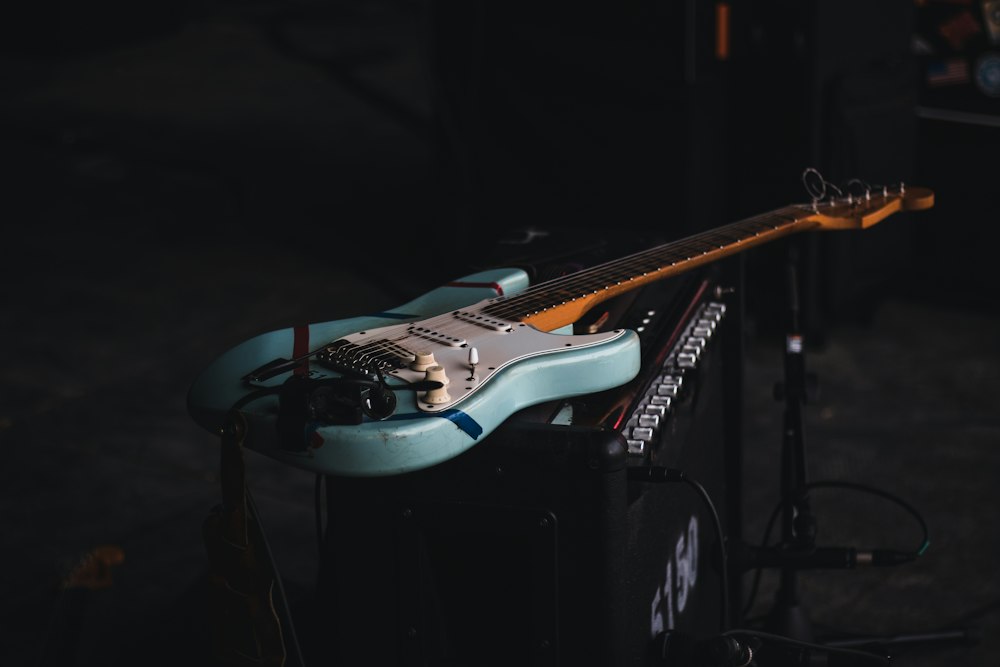
250k vs. 500k Pots & Tone Caps: Rewiring Your Guitar's Control Circuit
How potentiometer resistance loads pickup impedance, the difference between audio and linear taper, and how 0.022uF vs 0.047uF capacitors shape your instrument's roll-off frequency.

Can a Broken Guitar Headstock Be Saved? Structural Splines and Hide Glue
Why angled 17-degree headstocks fracture upon impact, the physics of wood grain runout, and how luthiers restore structural integrity stronger than original using hide glue and splines.
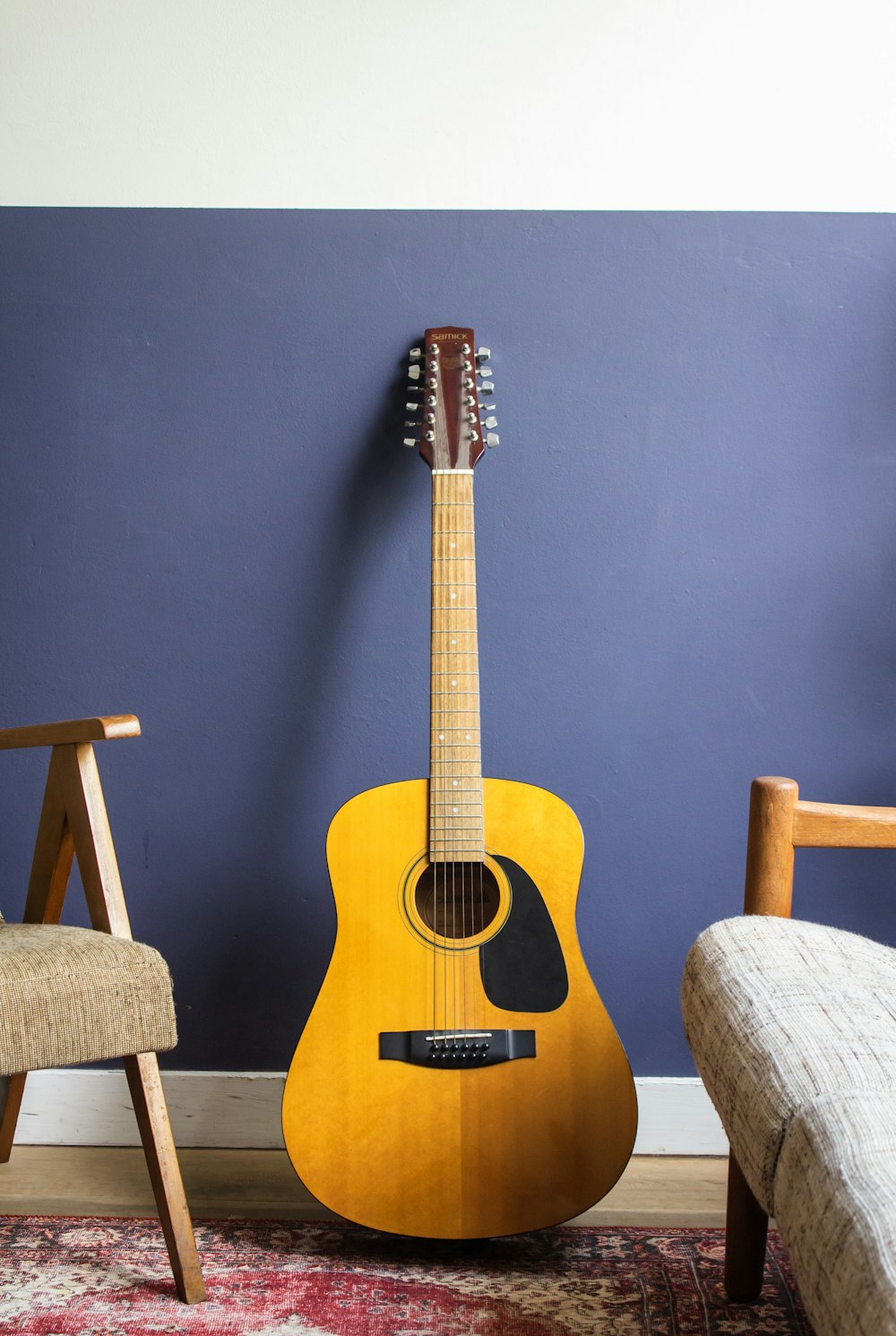
Acoustic Soundboard Cracks: Cleating, Rehydration, and Structural Integrity
How Colorado's dry climate causes soundboard spruce grain to pull apart, why cracks must be rehydrated before gluing, and how cross-grain spruce cleats prevent propagation.

Switching String Gauges: What Happens to Neck Relief, Nut Slots, and Tremolos
Moving from 9-42 to 10-46 or 11-52 adds 20 to 40 pounds of total string tension. Learn why switching gauges requires a complete setup readjustment from nut to saddle.

Preserving Vintage Guitars: Maintenance Ethics, Originality, and Restorations
The delicate balance between historic authenticity and stage playability. When to refret, how to preserve original solder joints, and why vintage finishes must never be aggressively buffed.

Bass Guitar Setup Fundamentals: Action, Truss Rod, and Punchy Low-End Clarity
Bass strings exert immense tension and wide vibrational envelopes. How to dial in neck relief, bridge saddle radius, low B-string intonation, and pickup distance for punchy low end.

Nitrocellulose vs. Polyurethane: Safe Cleaning, Polishing, and Chemical Hazards
Why rubber guitar stands chemically melt vintage nitrocellulose lacquer, how to clean sweat hazing safely with carnauba wax, and the chemical resilience of modern polyurethane.

Guitar Hardware Care: Loose Jacks, Stripped Strap Buttons, and Tuner Lubrication
Prevent disastrous guitar drops and stage failures. How to fix stripped strap button screw holes with hardwood dowels, tighten loose jacks with star washers, and lube tuning gears.

Understanding Acoustic Neck Resets: When, Why, and How Dovetail Joints Are Reset
Why every vintage acoustic guitar eventually requires a neck reset. How continuous string pull deforms body geometry, sighting the bridge with a 24-inch straightedge, and steam removal.

Pre-Session Guitar Optimization: How to Prep Your Axe for Studio Recording
Microphones hear everything that stage amplifiers mask. How to prep your guitar for tracking: string break-in intervals, dampening headstock sympathetic ring, and zero-buzz setup tolerances.
Have a Question About Your Specific Instrument?
Every guitar has its own unique personality and history. Call our Colorado Springs bench at (719) 345-6569 or book an appointment for an in-person diagnostic.
Book Bench Consultation →