Acoustic Soundboard Cracks: Cleating, Rehydration, and Structural Integrity
How Colorado's dry climate causes soundboard spruce grain to pull apart, why cracks must be rehydrated before gluing, and how cross-grain spruce cleats prevent propagation.
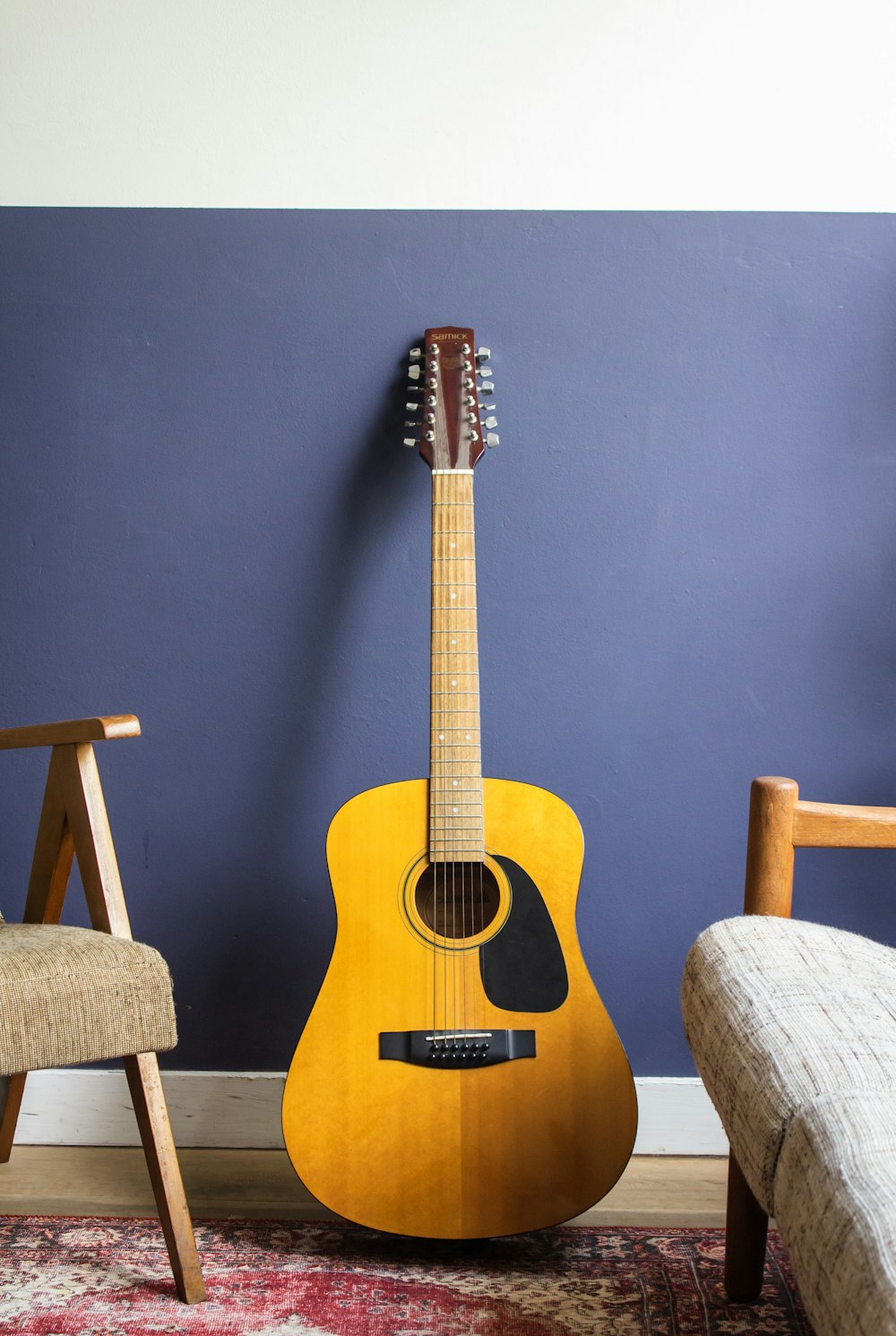
Anatomy of a Soundboard Split
Acoustic soundboards are crafted from quarter-sawn spruce or cedar planed down to roughly 0.100" (2.5mm) in thickness. These plates expand and shrink laterally across their width.
When relative humidity drops below 20%, the top wood wants to shrink by 2 to 4 millimeters. However, it is securely glued to the rigid mahogany or maple rim, the neck block, the tail block, and internal cross-braces. As tension builds, the weakest wood cells shear, opening a split along the grain lines — most frequently extending downward from the bridge to the lower bout edge.
Professional Cleating & Stabilization
- Gradual Rehydration: A dry crack should never be glued open. We place the guitar in a humidity chamber until the separated grain edges naturally swell back together.
- Glue Injection: High-tack wood glue is worked deep into the seam using suction cups to pull adhesive through the full thickness of the spruce.
- Cross-Grain Spruce Cleats: From inside the guitar, we install diamond-shaped spruce cleats with their wood grain oriented perpendicular (90 degrees) to the crack. The diamond shape minimizes mass while maximizing glue surface area across the crack seam.
Related Technical Guides & Services
- Precision 12-Step Guitar Setups
- Fret Leveling, Crowning & Fret Sprout
- Surviving Colorado's Dry Climate: Humidification Guide for Acoustic and Electric Guitars
- The Ultimate 12-Step Guitar Setup Checklist: Why Every 64th of an Inch Matters
- Fret Sprout Demystified: Causes, Prevention, and Professional Dressing
- Bone vs. TUSQ vs. Brass vs. Plastic: The Definitive Guitar Nut Material Guide
- Bench Rates & Turnaround Times
Need Professional Hands on Your Instrument?
At Colorado Guitar Tech in Colorado Springs, we inspect and calibrate instruments under strict climate conditions to deliver effortless action, true intonation, and tone you can feel. Call us today at (719) 345-6569 or schedule your bench intake.