Inside a Professional Fret Level, Crown, and Polish: Restoring Peak Playability
A deep dive into fret dressing: using notched straightedges to flatten the neck, aluminum leveling beams, diamond crowning files, and micro-mesh polishing up to 8000 grit.
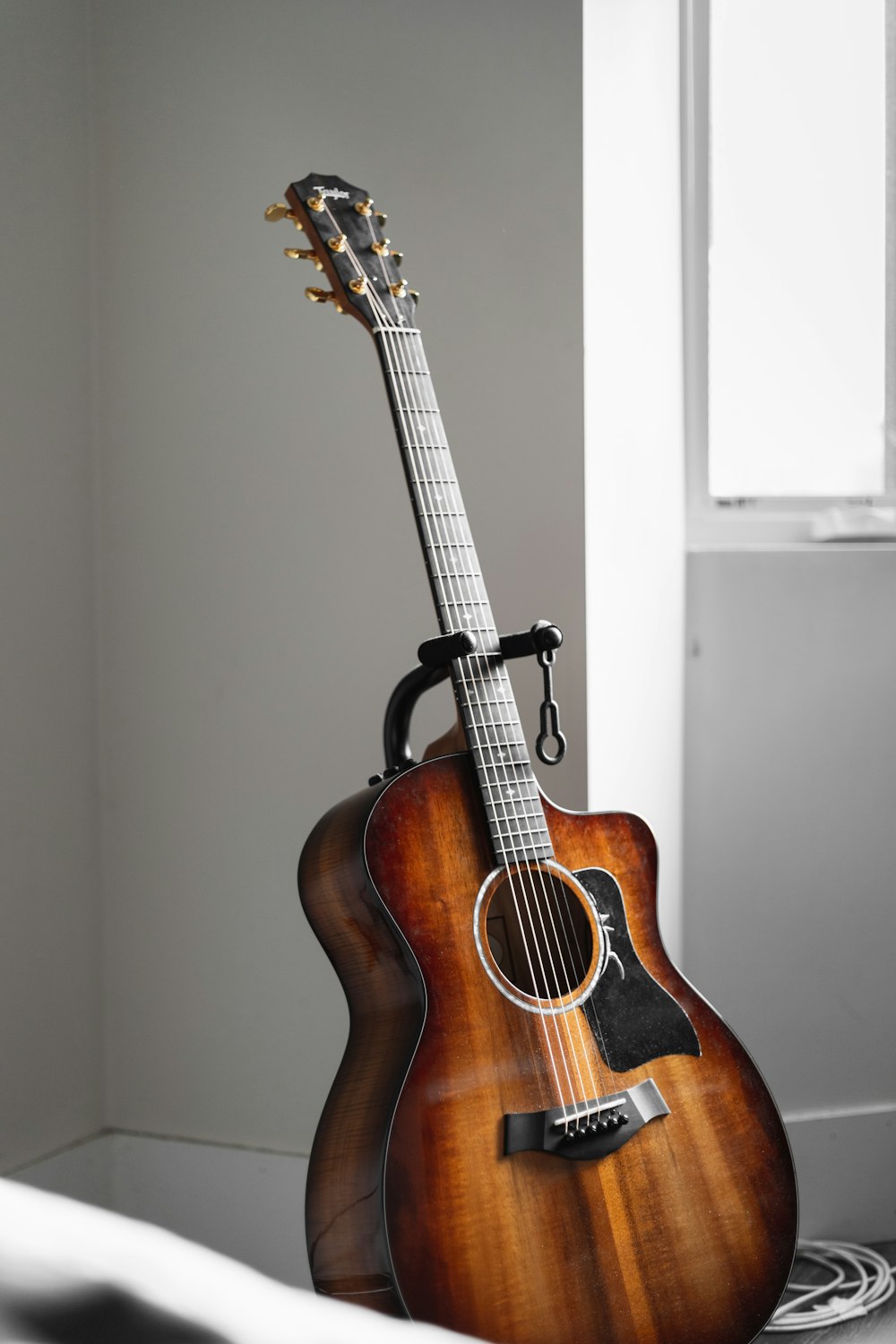
Why Factory Guitars Arrive with Unlevel Frets
Even premium instruments costing several thousand dollars often exhibit subtle fret height discrepancies when inspected under precision straightedges. When wood leaves the factory, it undergoes internal stress relief as it acclimatizes. Frets seated into slotted tangs can lift by as little as 0.0015", causing annoying fret buzz and choking out bends.
A professional Fret Level, Crown, and Polish (FLCP) establishes a mathematically coplanar plane across every fret crown under simulated string tension.
The Multi-Stage Luthier Process
Step 1: Straightening Under Notched Straightedges
Before touching a file, the neck must be adjusted dead flat. We use a precision-machined notched straightedge that spans over the frets to reference the fingerboard wood itself, eliminating neck bow variables.
Step 2: Marking & Leveling Passes
Each fret is inked with blue layout dye. We execute smooth, longitudinal passes using a 16-inch machined aluminum leveling beam coated with 320-grit abrasive. The beam glides across high frets first; when every fret crown shows an even witness mark through the dye, the plane is true.
Step 3: Centering the Crown
Leveling flattens the tops of the frets into broad plateaus. Using concave diamond crowning files, we shape the shoulders of each fret until only a razor-thin line remains dead center. This guarantees exact pitch intonation.
Step 4: Micro-Mesh Mirror Polish
File scratches create abrasive drag during string bends. We polish the frets sequentially through 400, 800, 1200 grit wet papers and 2400 to 8000 grit Micro-Mesh pads, concluding with jewelers' rouge on high-speed cotton buffs.
Related Technical Guides & Services
- Precision 12-Step Guitar Setups
- Fret Leveling, Crowning & Fret Sprout
- Surviving Colorado's Dry Climate: Humidification Guide for Acoustic and Electric Guitars
- The Ultimate 12-Step Guitar Setup Checklist: Why Every 64th of an Inch Matters
- Fret Sprout Demystified: Causes, Prevention, and Professional Dressing
- Bone vs. TUSQ vs. Brass vs. Plastic: The Definitive Guitar Nut Material Guide
- Bench Rates & Turnaround Times
Need Professional Hands on Your Instrument?
At Colorado Guitar Tech in Colorado Springs, we inspect and calibrate instruments under strict climate conditions to deliver effortless action, true intonation, and tone you can feel. Call us today at (719) 345-6569 or schedule your bench intake.